We have tried dozens of recipes: with warm water and boiling water, with long kneading and "fast" methods. Some doughs turned out too rubbery, others were difficult to handle, and some looked good on the table but failed in the finished dish. Over time, it became clear that good dough should not steal the spotlight; its job is simply to perform reliably. Ultimately, we settled on this technique — simple, precise, and tested over hundreds of batches of pelmeni, manty, and vareniki.
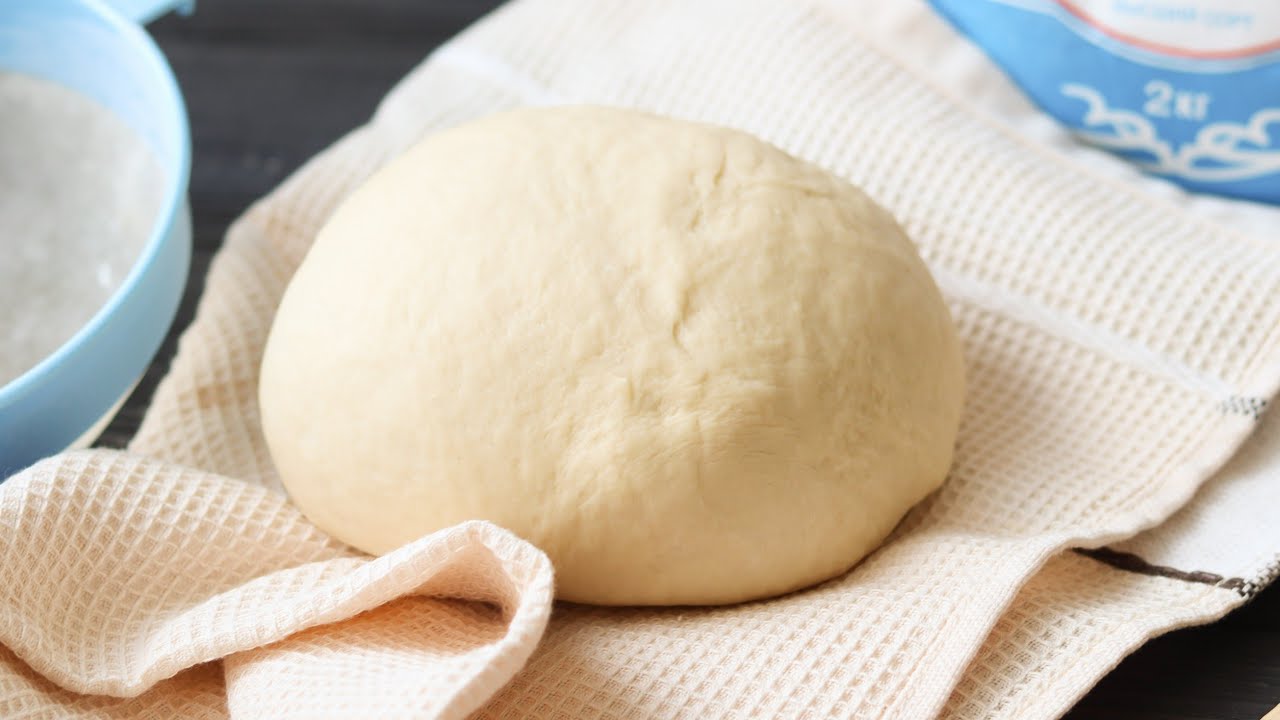
The process begins with preparing the liquid base: crack the eggs into a bowl, add salt and sunflower oil, and mix thoroughly until the salt crystals are dissolved and the mass becomes a smooth emulsion. Next, add ice-cold water. The use of ice-cold water is no coincidence — it slows down gluten development and allows the dough to strengthen without becoming coarse. Pour this mixture into the flour and begin kneading, which should last about 10–15 minutes. At this stage, there is no need for rush or excessive force; it is important to gather the mass into a dense, solid ball. After the initial kneading, the dough needs mandatory rest: place it in a bag for at least 30 minutes so it can "settle," the moisture distributes evenly, and the texture becomes more pliable. The final touch is a short re-kneading, after which the dough becomes perfectly smooth, does not tear, does not spread, and allows for extremely thin rolling and shaping while maintaining its integrity during cooking.




 Dumplings
 Manti
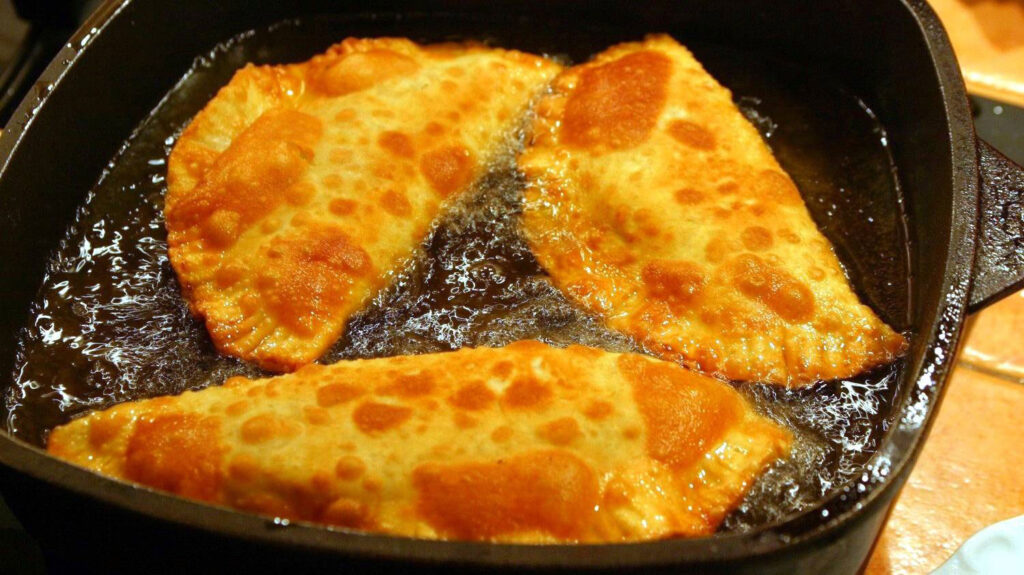
Manti Chebureks
 Vareniks
 Meat patties


